

Another September, 2002
Presence, memory, and the gift of being seen

Before I turn to Claude’s words today, a note from my own life: this summer has been a season of weaving threads. And now, as September is upon us, I feel the pull toward presence and reset. At GNAT-TV, I’ve been deep in the world of fundraising and community building—work I enjoy immensely, though not without its challenges. With Temenos Travel, I launched my first small-group journey for March 2026 — Adriatic Spring: Venice, Croatia, and Slovenia with Abercrombie & Kent — and only a few spots remain. If the Adriatic calls to you, I’d love to share the details. And alongside all this runs this Substack, Extracts, which remains my grounding practice: keeping faith with Claude’s 65,000 pages, and sharing them with you.
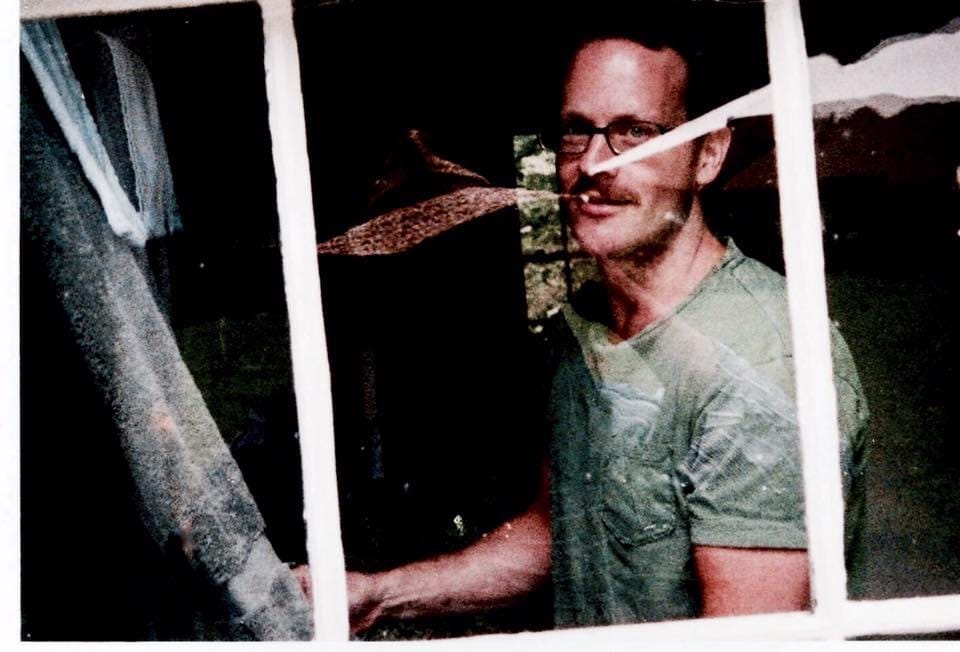
In the quiet moments, one question keeps circling: What would it mean to be seen without armor, without role, without task? What we long for isn’t more striving, but more tending. Not more proof, but more presence.
September has always felt like a threshold. Claude once marked it with a vow — a prayer for presence — and I find myself returning to it now: to keep writing, to keep noticing, to stay awake to the dailiness of life. Reading it now, I hear not only his voice but an invitation to my own. Because here we are, twenty-three years later, carrying the same question: how do we honor the work that demands so much without losing the quieter callings of the heart — and allow ourselves to be seen in the unguarded fact of being?
This is the thread I keep trying to follow: Claude’s insistence that the dailiness of life, even the hard seasons, could be recorded and therefore redeemed. His faith in me was quiet, but it was there, tucked into the pages as clearly as his vows.
And now, as September is upon us, between my work, family, and my own restless questions, I’m reminded that tending is itself enough. This is the shape life has taken in recent months: Edward’s aging and my own, the walk with family through illness, and Claude’s reminder that even hard seasons can tilt toward tenderness. It has become harder to separate Claude’s story from mine; the braid feels honest, so I’m letting it stand.
For those of you who came for Claude—he’s still at the center. This weekend’s Extracts braids his September 2002 with my approaching September 2025, both asking what it means to be fully seen.
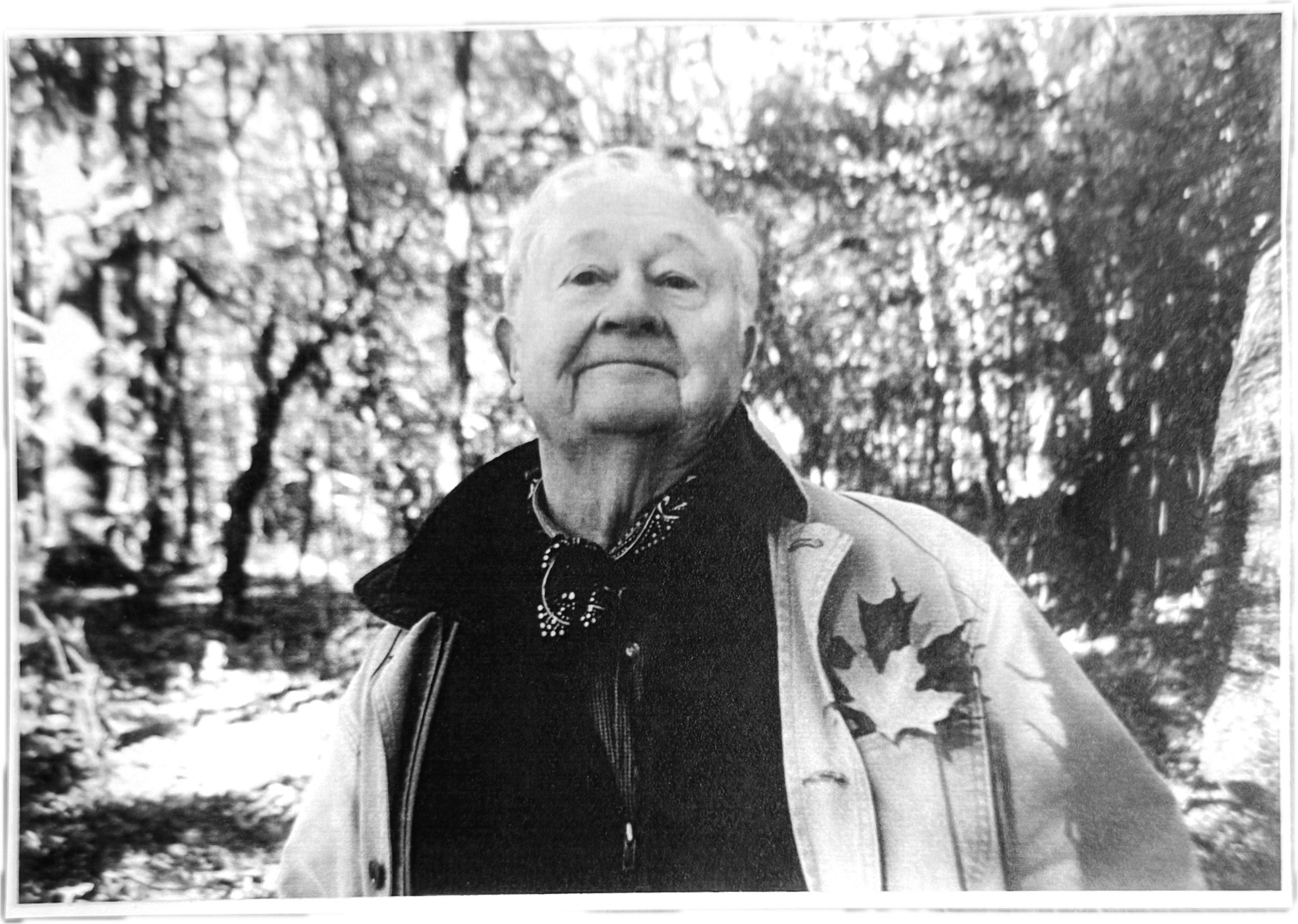
Twenty-three years ago, on September 1, 2002, Claude opened his diary and set down the following words. He was nearing eighty (he writes ‘seventy’, though he would turn 80 in 2003). Illness had begun to shadow him, yet what he set down was clear and steady:
I want to write more beautifully than ever these years, these very months. I want to capture everything in these years that are the happiest in my life, years that—no, years as happy as my life has never been—except for a fugitive week, a few weeks here and there—were ever, happy at all, years that now seem as if seventy full years of deep suffering had earned them, did I not know that they are grace—whatever that word can mean to a man who believes what I believe—grace far beyond (and this is the definition of grace whatever its origin is) any deserving of mine.
I hear this as a September reset for me: a promise to keep showing up, to tend the archive, and to let it tend me.
Almost in the same breath, he names the season he’s coming through and then turns toward light:
What happiness I am filled with as I sit here putting down these words, filled with a calm, a radiant and glowing awareness that is perfectly content just as it is and feels everything has been granted superabundantly that it had ever yearned for and that it needs. The summer was hard—the whole year was hard… That, though, seems behind me now, and like the waters of Eunoe… the memory of every virtuous joy one has known…
That’s the September air I recognize: a lightness after weight. My own summer carried illness and aging among people I love; I’m aware of how witnessing another’s fragility teaches you to breathe again, carefully, gratefully. Claude’s phrasing — the memory of every virtuous joy — is a way to keep joy near without denying what hurts. And if Eunoe restores what is good to memory, then perhaps Lethe — the river of forgetting — offers its own mercy too: a loosening of what need not be carried further.
At the center of the entry is his devotion to me:
Marc insists all sweetly that our perfect happiness in all we do comes from the fact ‘we love each other’… but I am reminded again and again and again that we love each other because he is the rarest of all beings… [who has] satisfied all my yearning with fulfillment I did not know was possible.
To be seen like that — and to see another with such clarity — is a form of tending. Claude gave me that recognition in the life we shared and in his diaries. Edward does too, in his gentle, steadfast way, as both of us learn how to live inside time with tenderness rather than self-protection.
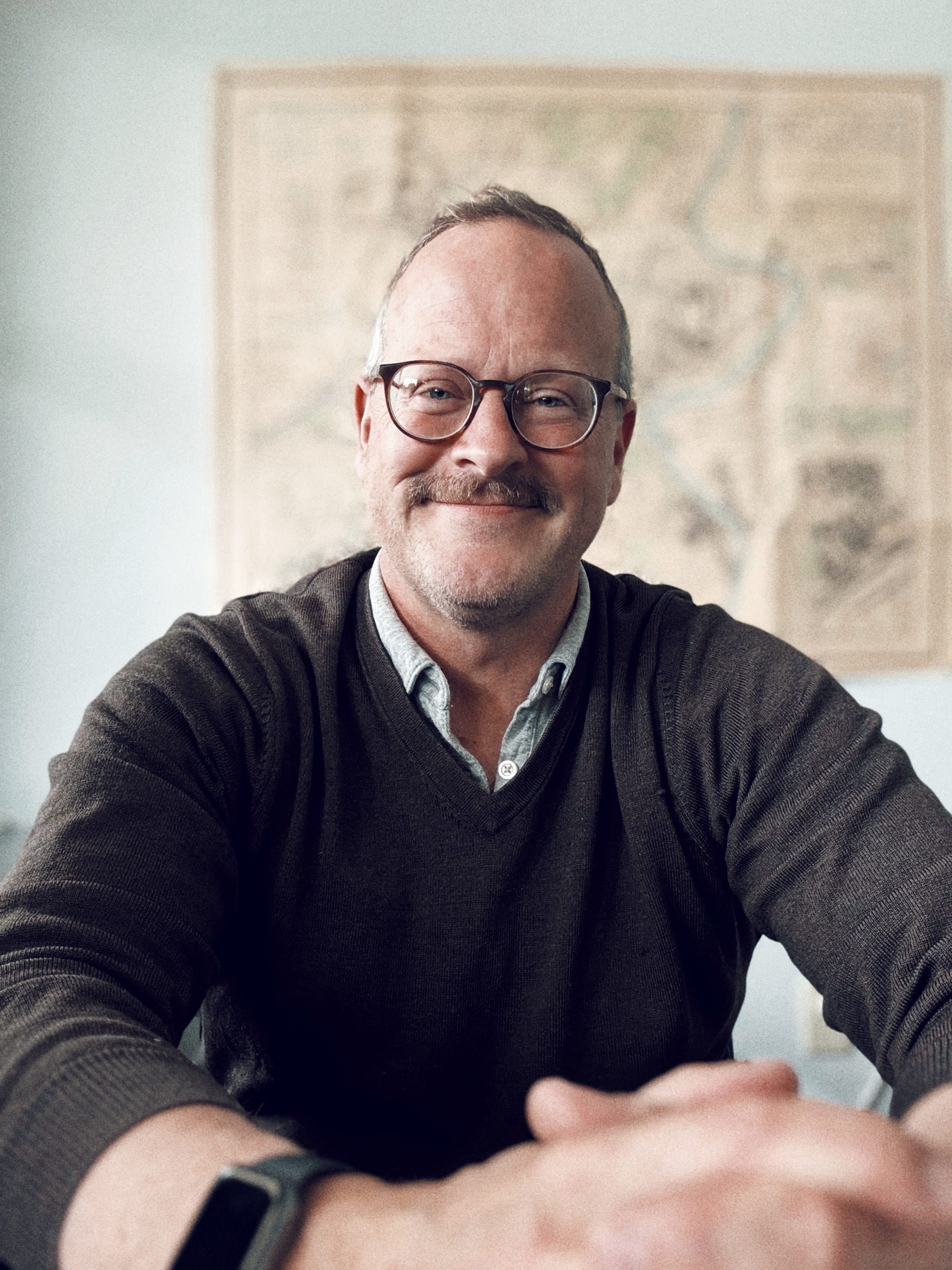
So here is my September reset. I’m returning with a regular rhythm and a path forward. Soon we’ll open Claude’s Missouri boyhood journals (1930s), then move to Harvard (1941–43) and New York (1944–46). Later this fall, I’ll begin a focused series on the late 1960s and early 1970s — a period Claude himself, in today’s entry, called the peak of his form and some of his finest writing.
For now, I’m standing with him in September 2002: vow made, light changing, love intact—and, in the subscriber section, mornings of intimacy so complete they lingered even in the taste of coffee.

Upgrade to Paid
This week’s paid post includes Claude’s full three-page September 2002 entry—vows for presence, mornings of intimacy, and the light of a season turning.
Thank you, as always, for reading Claude with me. I’d love to hear what resonates with you.
—Marc
Copyright Notice: All journal entries and photographs are © Marc Harrington. No portion of these materials—whether photographs, full journal entries, excerpts, or extracts—may be used or reproduced in any form without written permission. With gratitude to the Getty Research Institute for preserving the original manuscripts.
